

 EN
EN RU
RU


January 26, 2026
In the operation of Medium-Voltage (MV) and High-Voltage (HV) switchgear, condensation is recognized as a primary latent hazard leading to insulation flashover and short-circuit accidents. Driven by factors such as ambient temperature-humidity differentials, operational loads, and architectural structures, moisture readily precipitates on the surface of insulating components, degrading dielectric strength and potentially triggering system failures. The core of mitigation lies in a multi-pronged approach: obstructing moisture sources through physical sealing, enhancing ventilation via structural optimization, and implementing precise environmental control through anti-condensation heaters and intelligent dehumidification technologies.
A profound analysis of the causes and hazards of switchgear condensation serves as the foundation for formulating precise mitigation strategies and provides a clear technical roadmap for transitioning from “passive defense” to “active dehumidification.”
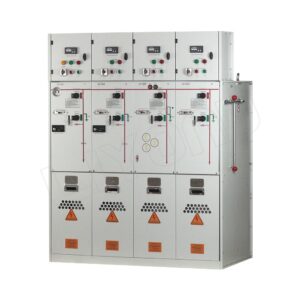
1. What Are the Causes of Switchgear Condensation?
The stability of the micro-environment within a switchgear is governed by a complex interplay of internal and external factors. Understanding how moisture precipitates from the air and adheres to equipment surfaces is the first step in identifying operational risks and implementing preventive measures. The following analysis examines condensation conditions from physical, operational, and structural perspectives:
1. Physical Process: Condensation occurs when the surface temperature of internal switchgear components—such as busbars, enclosure walls, or epoxy insulators—drops below the dew point, causing water vapor in the air to undergo a phase change and precipitate as droplets. This mechanism is influenced by the differential between indoor and outdoor temperatures, relative humidity, the dew point, and the ventilation/heat dissipation performance of the enclosure. Condensation inevitably forms once the internal temperature falls below the ambient dew point.
2. Impact of Operational Load: Switchgear in standby mode or operating under low-load conditions (e.g., bus-coupler cubicles) often remains in a “cold state” due to the lack of self-heating from current flow. In high-humidity environments, these units are particularly susceptible to localized condensation.
3. Architectural Factors: The floor layout of the switchgear room is critical. Rooms located on the ground floor without the buffer of an underground cable basement suffer from significant moisture penetration from the earth during humid or warming weather, which substantially raises the absolute humidity of the micro-environment.
4. Cable Compartment Sealing: Ineffective sealing of the cable compartment at the base of the cubicle allows water vapor from cable trenches to seep into the enclosure through gaps, serving as a persistent source of moisture.
5. Enclosure Ventilation Design: Cubicles utilizing fully enclosed cover plates may offer higher protection ratings, but under low-heat conditions, they prevent the timely discharge of internal moisture, thereby accelerating the aging of insulating materials.
2. How Condensation Threatens Switchgear Safety?
The damage caused by condensation to switchgear is typically an evolutionary process—starting with physical adsorption, progressing to chemical corrosion, and culminating in electrical breakdown. The accumulation of moisture not only directly weakens insulation performance but also triggers severe electrical accidents, posing multiple threats to system stability:
1. Degradation of Insulation and Flashover Risks: Sustained exposure to moisture leads to “creepage” on the surface of epoxy resin insulating barriers. The combination of moisture and dust forms a conductive liquid film that destroys dielectric strength, triggering flashover discharges and eventually causing irreversible physical damage to the insulators.
2. Severe Short-Circuit Accidents: Condensation accumulating at busbar connections or the edges of insulating sleeves can induce surface discharges. The metallic vapor generated at the instant of discharge may lead to phase-to-phase breakdown, resulting in catastrophic triple-phase short circuits. Furthermore, the equipment’s tolerance to overvoltage significantly decreases in high-humidity environments, further escalating the risk of system collapse.
3. How to Prevent Condensation in Switchgear?
To combat condensation, it is essential to construct a multi-dimensional protection system ranging from environmental improvement to precise intervention. From our perspective as an MV switchgear manufacturer, we recommend integrating civil engineering sealing, structural optimization, and professional environmental control equipment to eliminate moisture accumulation at the source:
1. Hardware Maintenance and Structural Improvement: Regularly replace insulators, epoxy resin cast bushings, and barriers with compromised integrity. Optimize the enclosure structure by adding ventilation louvers at the top to improve air circulation.
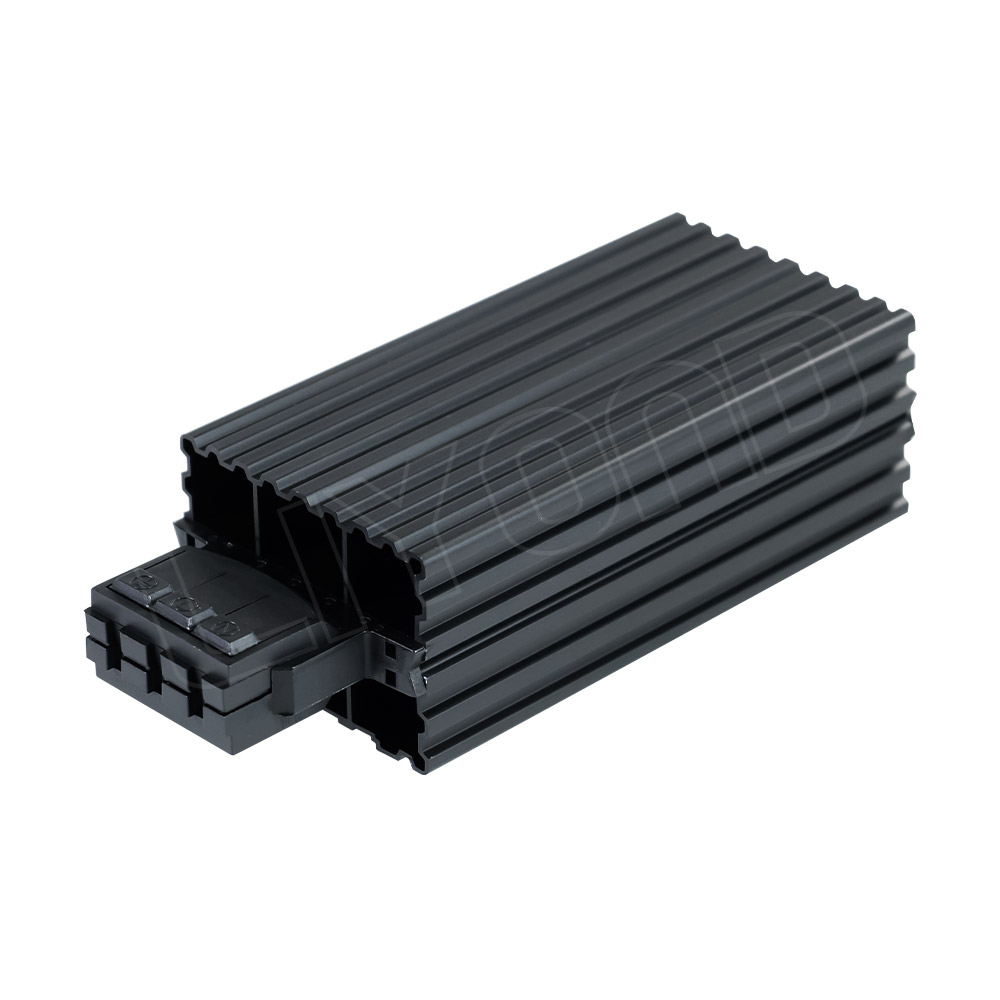
2. Deployment of Anti-Condensation Heater Systems: As a fundamental means of environmental control, Anti-Condensation Heaters (such as silicone rubber heating plates or aluminum alloy heaters) utilize a constant temperature-rise effect to maintain equipment surface temperatures above the dew point. When paired with mechanical or electronic thermostats, these systems enable real-time regulation of the internal micro-environment, preventing moisture precipitation during “cold state” operations.


3. Comprehensive Environmental Management and Sealing: Thoroughly seal cable entries and conduits, clear standing water from trenches, and strictly control humidity during cleaning operations within the station to cut off external moisture ingress paths.
4. Advanced Application of Intelligent Semi-conductor Dehumidification Devices: For extreme humidity conditions or areas with restricted ventilation, the deployment of Intelligent Semi-conductor Dehumidification Devices is recommended. Utilizing Peltier effect technology for physical dehydration, these devices actively condense and drain excess moisture out of the enclosure through a dedicated drainage system, achieving precise control over absolute humidity.
Conclusion
In summary, condensation mitigation in MV/HV switchgear is a systematic engineering challenge. The integration of temperature-rise solutions centered on Anti-Condensation Heaters with active drainage solutions provided by Intelligent Dehumidification Technology forms a dual barrier for ensuring insulation reliability. By strengthening physical sealing, optimizing ventilation structures, and flexibly configuring thermal and dehumidification equipment, the operational micro-environment can be fundamentally improved, ensuring the long-term safety and stability of power equipment.
Get A Free Quote


Power your projects with long-lasting switchgear and switchgear components from Liyond.
