

 EN
EN RU
RU


July 28, 2026
In modern power transmission and distribution systems, power transformers serve as core hubs responsible for power transmission and voltage conversion. Meanwhile, maintaining dynamic voltage stability and power supply continuity has always been a core requirement in electrical engineering design and system operation. As the core vehicle for achieving online voltage regulation in transformers, the on-load tap changer (OLTC) transformer plays an irreplaceable role in coping with power grid load fluctuations over time and ensuring stable power transmission, making it an indispensable piece of equipment in modern power networks.
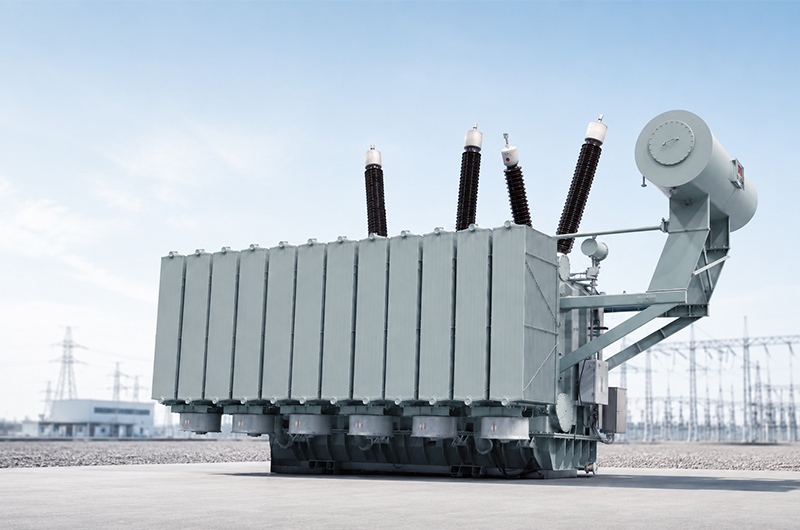
OLTC Transformer Meaning
An OLTC transformer (short for On-Load Tap Changer Transformer) refers to an oil-immersed power transformer equipped with an on-load tap changer. Its core feature is the ability to precisely switch transformer winding taps and change the turns ratio through the tap changer without interrupting the load current or de-energizing the system, thereby dynamically adjusting the transformer ratio and achieving real-time output voltage regulation.
Unlike traditional standard transformers, OLTC transformers eliminate the need to cut off power or halt electricity supply during voltage adjustment, which vastly enhances power supply reliability for continuous industrial production and grid operations.
What is On-Load Tap Changer in Transformer?
The on-load tap changer (commonly known as OLTC) is the most core technical component inside an OLTC transformer.
1. Core Definition and Function
A tap changer is essentially a wiring switching device. Because the output voltage of a power transformer is proportional to the turns ratio of the high-voltage and low-voltage windings, the function of an OLTC is to achieve step-by-step voltage regulation by altering the effective turns of the high-voltage winding connected to the circuit while the transformer is running under load.
2. Core Structural Components
To achieve load switching under the premise of no arcing and no short-circuiting, a standard OLTC primarily consists of the following key parts:
- Tap Selector: Used to pre-select the target tap position (does not make or break current during the switching process).
- Diverter Switch: Used to handle the actual making and breaking of the current and the switching action.
- Transition Resistors: Limit the circulating current between taps during the instantaneous switching moment to prevent winding short-circuits.
- Motor Drive Mechanism (MDM): Integrates a motor, transmission gearbox, and control unit to provide precise mechanical driving force for the entire switching action, while supporting remote automated control systems (SCADA).
As a premier high voltage transformer manufacturer in China, Liyond provides a specialized range of oil-immersed OLTC transformers, spanning from 35kV distribution units to 110kV, 220kV, and 500kV extra high voltage power transformers. Each unit is equipped with high-performance on-load tap changers, engineered for superior mechanical and electrical durability to ensure reliable operation in demanding grid environments characterized by high loads and frequent voltage regulation.

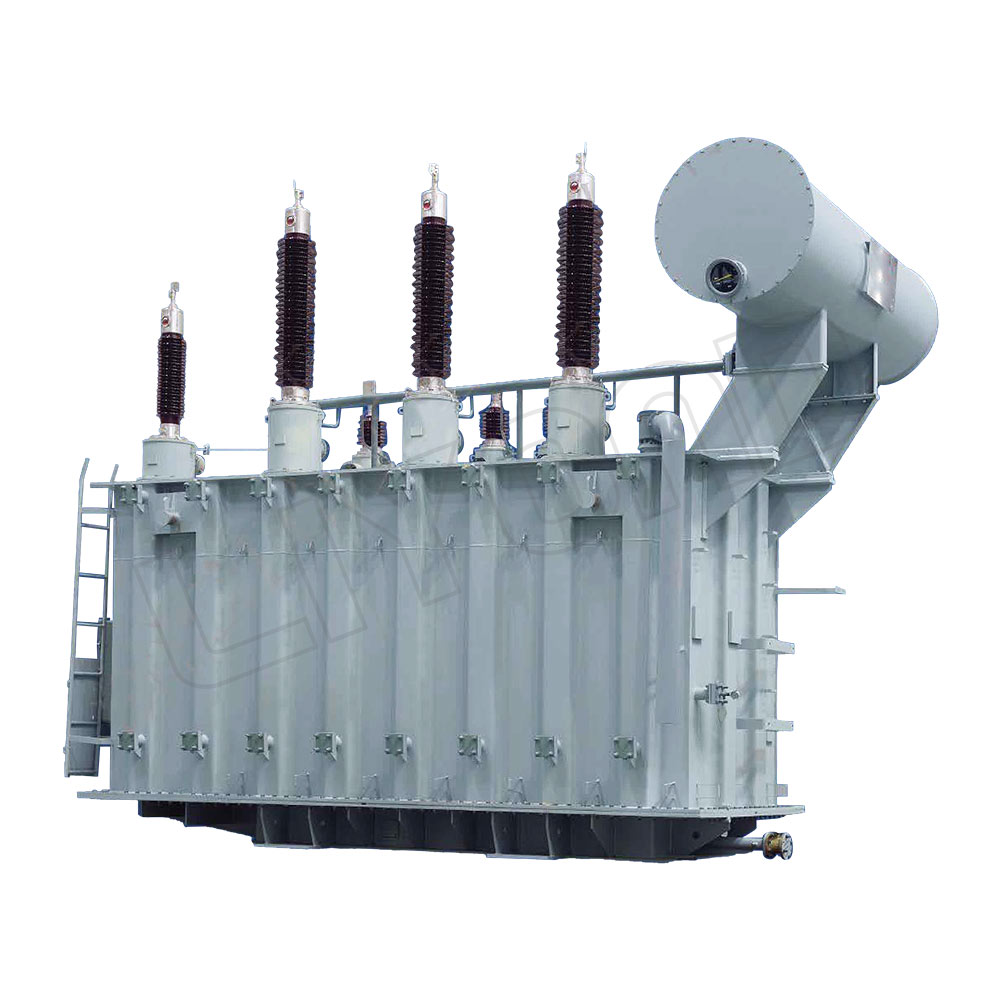
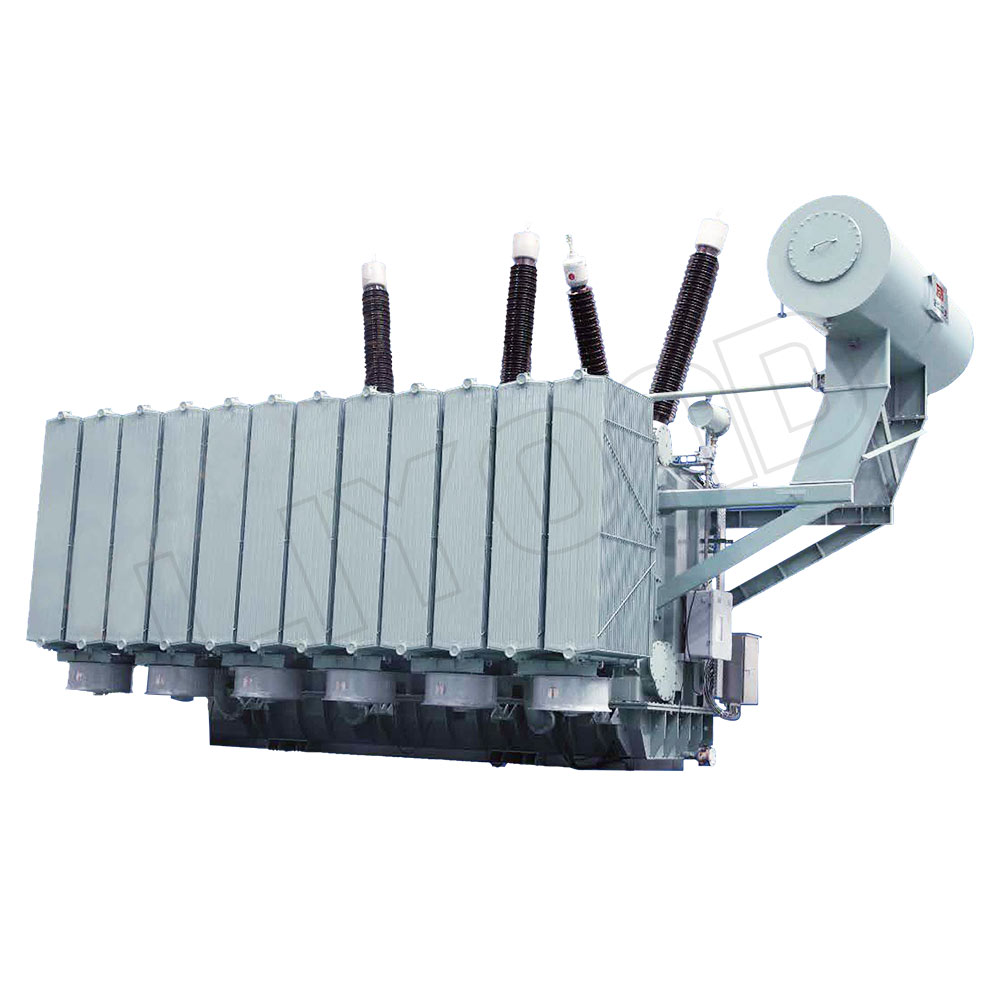

OLTC Transformer Working, Operation and Function
1. OLTC Transformer Working and Operation
The core technical challenge of an OLTC transformer lies in how to execute a safe transition between the two extreme conditions of an open circuit and a short circuit. Direct interruption would generate a severe electric arc, while simultaneously closing both taps would cause a winding short-circuit burn-out.
Its typical 4-step switching workflow is as follows:
- Initial State: Transformer current flows through the main contact, operating at the current tap position (e.g., Tap 2).
- Engaging Transition Resistors: The switching mechanism activates, the main contact opens, and the current is transferred to the transition resistor.
- Dual-Tap Transition State: The switching mechanism bridges to the target tap position (e.g., Tap 3). At this point, the transition resistor connects both Tap 2 and Tap 3 simultaneously, limiting the circulating current between the two taps to a safe range.
- Switching Completion: The switching mechanism completely leaves Tap 2, the main contact fully closes at Tap 3, the transition resistor exits operation, and the switching action is completed (taking only tens of milliseconds in total).
2. OLTC Transformer Function
The primary functions of an OLTC transformer in a power system include:
- Dynamic Voltage Regulation: Compensates for voltage fluctuations on the high-voltage grid side, outputting a constant rated voltage to the load side.
- Reactive Power Compensation and Loss Control: Optimizes grid reactive power flow distribution and reduces transmission line losses through rational voltage regulation.
- Adapting to Renewable Energy Reverse Power Flow: Mitigates local voltage surges or sags caused by drastic fluctuations in power generation when distributed energy sources like solar and wind are integrated into the grid.
Differences between OLTC Transformer and OCTC Transformer
In the voltage regulation design of power transformers, on-load voltage regulation and de-energized voltage regulation are two common mainstream voltage regulation methods. Due to differences in core switching conditions and functional positioning, they play complementary key roles in ensuring grid voltage stability and the economical operation of power systems.
1. What is DETC Tap Changer?
An off-circuit tap changer (abbreviated as OCTC), also frequently referred to in international power engineering as a de-energized tap changer (DETC) or a no-load tap changer (NLTC).
Unlike an on-load tap changer, an OCTC must adjust the transformer’s tap position under a completely de-energized and isolated safe state. Because it cannot be operated while energized or under load, it is suitable for conventional power distribution environments where the grid voltage is relatively stable and frequent tap adjustments are unnecessary.
2. Comparison between OLTC and OCTC Transformers
| Comparison Dimension | OLTC Transformer | OCTC Transformer |
| Switching State | Switched while energized and loaded | Must be switched after complete de-energization |
| Regulation Method | Automated / remote control (supports SCADA system control) | Manual mechanical adjustment |
| Switching Frequency | Frequent (dozens of switches per day) | Extremely low (typically adjusted 1–2 times per year with seasonal changes) |
| Structural Complexity | Complex structure, including transition resistors and a motor drive mechanism | Simple structure, pure mechanical tap changer |
| Equipment Cost | Higher initial investment cost | Lower initial investment cost (approx. 60% to 70% of an overall OLTC system) |
| Maintenance Requirements | Requires regular tap changer mechanical overhauls and insulating oil filtration/testing | Only requires routine transformer check-ups; no frequent dedicated maintenance needed for the tap changer |
| Applicable Scenarios | Scenarios with large voltage fluctuations and high power supply continuity requirements | Regional distribution areas with relatively stable voltage and allowable brief power outages |
For projects in areas with relatively stable grid voltage, where budget is a constraint and scheduled maintenance downtime is acceptable, a DETC transformer offers a highly cost-effective solution.
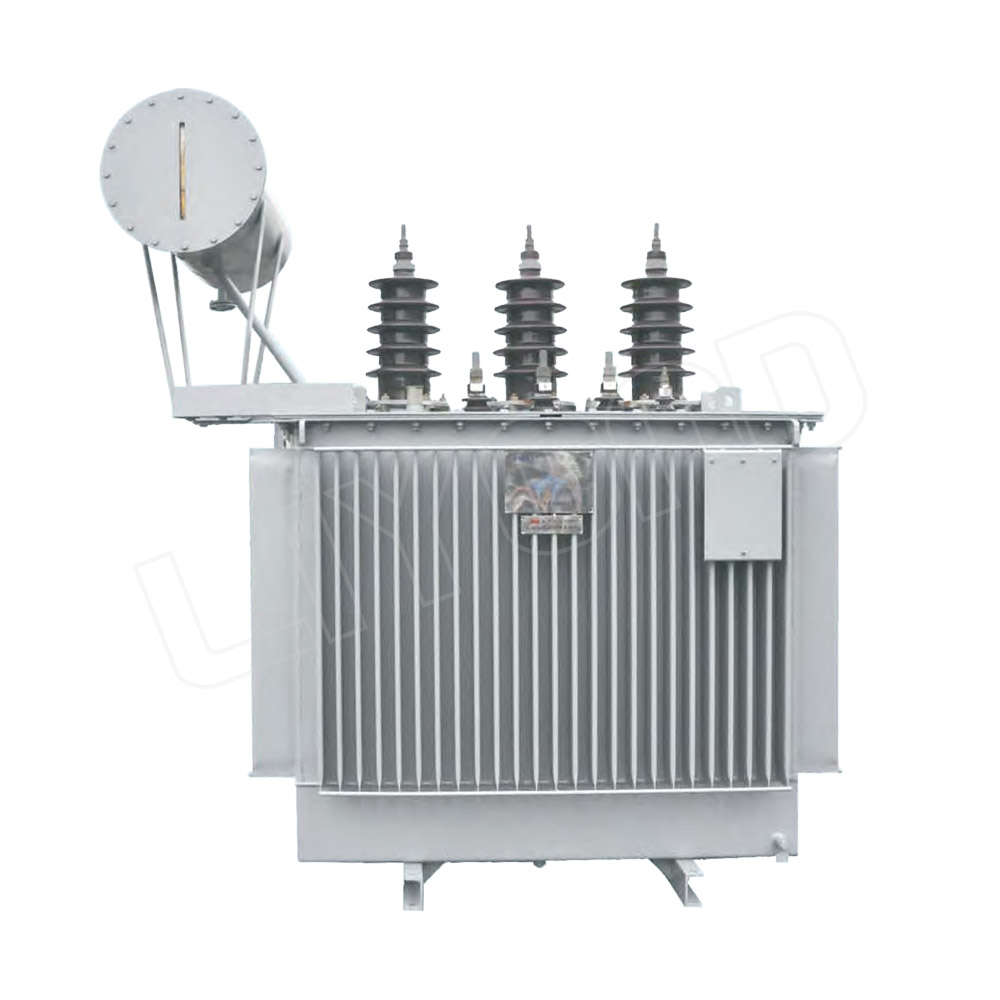


OLTC Transformer Applications
As a core piece of electrical equipment capable of achieving continuous voltage regulation under energized and loaded states, the OLTC transformer occupies a critical position in modern power and industrial systems due to its exceptional capability to compensate for voltage fluctuations in real time and ensure uninterrupted system power supply. Whether handling load variations in conventional power grids or meeting the stringent power quality requirements of renewable energy integration and high-end industries, OLTC transformers deliver an irreplaceable stabilizing regulation role.
- Grid Substations: Serving as main transformers for regional and hub substations to cope with high-side voltage fluctuations caused by day-and-night load peak-valley differences, maintaining distribution grid voltage stability.
- Large Commercial and Urban Distribution Systems: Deployed in urban centers and other areas unable to tolerate unscheduled outages, ensuring high-quality and high-reliability power supply.
- Energy-Intensive and Heavy Industrial Plants: Scenarios with high voltage sensitivity and drastic load variations—such as electric arc furnaces, large chemical plants, semiconductor fabrication facilities, and data centers—rely on OLTC transformers to ensure uninterrupted production.
- Renewable Energy Integration: In large photovoltaic power stations and wind farms, where generation power fluctuates violently due to weather changes, OLTC transformers effectively suppress voltage surges and over-limit issues caused by reverse power flow.
Conclusion
As a core hub within modern power and industrial systems, the OLTC transformer demonstrates irreplaceable stabilizing and regulating value through its exceptional capability to compensate for voltage fluctuations in real time and secure uninterrupted system power supply. Whether across backbone grids, core urban distribution networks, or energy-intensive heavy industry, data center, and renewable energy integration scenarios, it constructs a robust technical defense line for safe, continuous, and high-quality system operations. Today, with the explosive growth of AI computing clusters and the accelerated construction of new power systems, terminal loads place unprecedentedly strict demands on power quality, making the application value of OLTC transformers even more prominent when addressing complex dynamic voltage challenges.
For further details, please feel free to contact the Liyond team. We will provide you with exclusive transformer selection solutions and technical support to help keep power systems running reliably.
Get A Free Quote


Power your projects with long-lasting switchgear and switchgear components from Liyond.
