

 EN
EN RU
RU

 Home/Blogs/Industry Knowledge/Dry Type VS Oil-Filled Transformers: A Comprehensive Comparison and Selection Guide
 April 16, 2026
In modern power systems, transformers serve as the critical infrastructure for voltage conversion and energy distribution. Their selection directly impacts the reliability and economic efficiency of grid operations. Among the various types available, Dry-Type and Oil-Filled (Oil-Immersed) transformers each offer distinct advantages based on their structural design and functional characteristics. This guide provides a comprehensive comparison across dimensions such as insulation/cooling mechanisms, structural design, voltage/capacity ratings, maintenance requirements, cost-effectiveness, and environmental adaptability to assist professionals in technical decision-making.
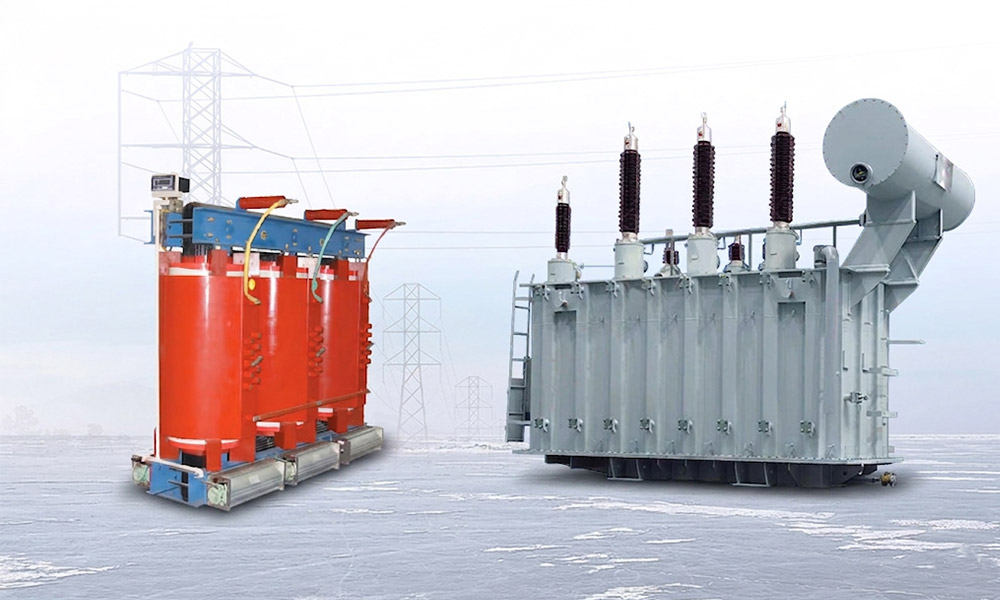
I. Key Differences Between Dry Type and Oil Type Transformers
Dry-type and oil-immersed transformers are the most prevalent solutions of power transformer in contemporary electrical engineering. Due to fundamental differences between dry and oil type transformer in insulation and design, they exhibit unique strengths in capacity ranges, voltage levels, and operational traits. Below is a systematic analysis of these core differences:
1. Insulation and Cooling Media
The choice of insulation and cooling media is the most fundamental distinction between oil immersed type transformer and dry type power transformer, dictating their technical evolution and performance in different power environments.
- Oil-Immersed Transformers:
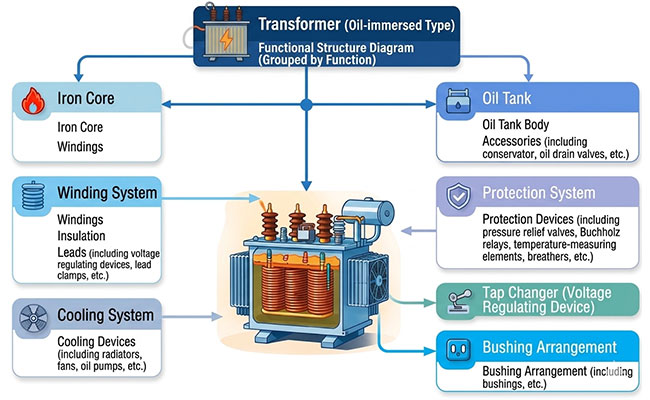
- Media and Mechanism: These units utilize dielectric transformer oil as the primary insulating medium, supplemented by solid materials like insulating paper and pressboard. The oil offers high dielectric strength, effectively filling internal gaps to prevent partial discharge. Cooling is achieved through oil convection, where heat generated by the core and windings is transferred to the oil and dissipated via external radiators or corrugated tanks. Common cooling methods include ONAN (Oil Natural Air Natural) and ONAF (Oil Natural Air Forced).
- Performance: Oil has a significantly higher thermal conductivity than air. This superior heat dissipation allows oil-immersed units to handle high-capacity and high-voltage applications with natural efficiency and robust short-circuit resistance.
- Dry-Type Transformers:
- Media and Mechanism: These rely on epoxy resin casting or specialized insulating varnishes. The windings are encapsulated in solid insulation, eliminating the need for fluid media. Cooling is achieved through natural air convection (AN) or forced air cooling (AF), with heat dissipating directly from the winding surfaces to the surrounding air.
- Performance: Since air has a lower heat capacity and thermal conductivity than oil, dry-type units are typically bulkier for the same power rating. Their application in ultra-high voltage or massive capacity scenarios is often limited by the escalating costs of managing thermal efficiency.
2. Structural Composition and Design
The physical properties of the insulation media lead to vast differences in external layout and safety instrumentation, reflecting two distinct design philosophies: “liquid circulation” versus “solid encapsulation.”
- Oil-Immersed Transformers:
- Core Components: These feature a sealed steel tank housing the core, windings, and oil. A conservator tank is often mounted to accommodate oil expansion during thermal cycles.
- Thermal Design: Visible external radiators or corrugated cooling fins are standard. High-voltage units are equipped with safety accessories such as oil level gauges, pressure relief valves, and Buchholz relays to monitor internal pressure and gas accumulation.
- Manufacturing Excellence: Production requires rigorous vacuum drying and vacuum oil filling to ensure the purity of the dielectric. The tanks undergo stringent pressure testing to guarantee a leak-free, high-performance seal throughout the equipment’s lifecycle.
- Dry-Type Transformers:
- Core Components: The design is simplified by the absence of oil circuits. The core is the epoxy-casted winding assembly, with the iron core usually treated with rust-resistant coatings.
- Enclosure: While they don’t require oil tanks, they are often housed in metal enclosures (e.g., IP20 or IP23) for safety and dust protection, featuring louvers for air circulation.
- Monitoring: Operation is monitored primarily through temperature sensors (RTDs) embedded in the windings and connected to a digital temperature controller.
- Manufacturing Excellence: High-quality units utilize Vacuum Casting technology, where epoxy resin is injected under a vacuum to minimize internal bubbles and stress. This ensures superior mechanical strength and high-temperature stability.
3. Capacity and Voltage Ratings
Capacity and voltage ratings are the primary metrics for transformer specifications across different utility and industrial sectors.
- Oil-Immersed Transformers:
- Specifications: These units cover a vast range, typically from 10kV to 220kV and beyond, with the ability to handle massive rated capacities. This makes them ideal for long-distance high-voltage transmission and heavy industrial loads.
- Grid Role: Their adaptability makes them the backbone of the power grid, handling primary transmission and high-voltage transformation tasks.
- Dry-Type Transformers:
- Specifications: Generally focused on the medium-to-low voltage range (35kV and below) with relatively smaller capacities compared to oil-filled giants.
- Grid Role: They are perfectly suited for distribution networks and terminal power needs, safely converting medium voltage to usable power for end-users.
4. Maintenance and Safety Standards
The chemical nature of the insulation determines the operational safety and maintenance intensity of each unit.
- Oil-Immersed Transformers:
- Safety: Transformer oil is flammable and can spray under high-pressure fault conditions, requiring specific fire-separation distances and fire-extinguishing systems. Leakage risks must also be managed to prevent environmental contamination.
- Maintenance: These are “periodic maintenance” units. They require regular oil sampling and analysis (testing for flash point, acidity, and dissolved gas analysis) to ensure insulation stability.
- Dry-Type Transformers:
- Safety: Utilizing flame-retardant or self-extinguishing materials, these units are significantly safer for indoor environments. There is zero risk of oil leaks, making them environmentally friendly.
- Maintenance: Designed for “low maintenance,” their upkeep is limited to periodic dust removal, checking fastener integrity, and managing ambient humidity.
5. Cost and Economic Life
Economic evaluation encompasses initial CAPEX, long-term OPEX, and physical durability.
- Oil-Immersed Transformers:
- Economics: Generally offer a lower initial purchase price for the same rating. However, total costs must include fire-protection infrastructure (oil pits, firewalls) and long-term oil maintenance.
- Lifespan: The oil protects internal components from oxidation and moisture. With proper maintenance, these units can reliably serve for 30 to 50 years.
- Dry-Type Transformers:
- Economics: Higher initial cost due to expensive resin materials and complex casting processes. However, they save on civil engineering (no fire pits) and have much lower ongoing labor costs.
- Lifespan: Solid insulation is sensitive to extreme thermal cycling and aging. Their average expected lifespan is typically 20 to 25 years, shorter than well-maintained oil units.
6. Environmental Adaptability
- Oil-Immersed Transformers:
- Protection: The core and windings are completely submerged in a sealed tank, making them immune to humidity, salt spray, and dust. They excel in coastal, desert, or heavily polluted industrial zones.
- Temperature: Extreme cold can increase oil viscosity, affecting convection. Specialized low-temperature oils are required for arctic environments.
- Dry-Type Transformers:
- Challenges: Windings are exposed to air, making them sensitive to high humidity and dust, which can lead to tracking or partial discharge.
- Altitude: Relying on air for cooling, they are significantly affected by air density at high altitudes, requiring de-rating for such applications.
II. How to Choose: Oil Filled VS Dry Type Transformer?
Selecting the right power transformer is a strategic balance of project requirements, safety margins, and return on investment.
1. Installation Environment and Fire Compliance
- Commercial & Public Facilities: For shopping malls, hospitals, subways, or high-rise buildings, where space is premium and fire codes are strict, Dry-Type Transformers are the gold standard due to their non-flammable nature and compact footprint.
- Open Outdoor Sites: In suburban substations or industrial parks with ample clearance, Oil-Filled Transformers provide superior cost-efficiency.
2. Capacity and Load Requirements
- Transmission Grids & Heavy Industry: For 110kV+ transmission, large-scale wind farms, or steel mills, the thermal redundancy and stability of Oil-Filled Transformers are indispensable.
- Precision Manufacturing & Data Centers: In IDCs or semiconductor fabs where cleanliness is vital and transformers are placed near the load center, Dry-Type Transformers offer flexible installation and reduced line losses.
3. Site Conditions and Maintenance Goals
- Extreme Conditions: For offshore wind or mining operations, the sealed “physical barrier” of an Oil-Filled Transformer tank protects against salt spray and contaminants.
- Remote or Low-Staffed Sites: If maintenance resources are limited, the “set and forget” nature of Dry-Type Transformers reduces the management burden.
4. Total Cost of Ownership (TCO)
- CAPEX Sensitive: For temporary power or budget-constrained projects, Oil-Filled units offer the lowest entry price.
- Long-Term Value: For self-owned green buildings or mission-critical facilities, Dry-Type units often provide better TCO by saving on civil works and maintenance frequency.
Transformer Selection Matrix by Application
| Industry Sector | Typical Scenario | Recommended Type | Core Selection Criteria |
| Urban Infrastructure | High-rises, Malls, Subways, Hospitals | Dry-Type | Fire compliance, compact, low maintenance |
| High-Tech Industry | Data Centers, Cleanrooms, R&D Hubs | Dry-Type | Cleanliness, flexible proximity to load |
| Energy & Heavy Industry | Steel Mills, Main Grid Substations | Oil-Filled | High capacity, thermal redundancy, stability |
| Extreme Environments | Offshore Wind, Mining, Petrochemical | Oil-Filled | Sealed protection (Corrosion/Salt resistance) |
| General Commercial | Suburban Distribution, Industrial Parks | Oil-Filled | Low initial cost, long physical lifespan |
| Remote Operations | Unmanned Stations, Temporary Sites | Dry-Type | Minimal maintenance resources required |
Featured Models: Liyond’s High-Performance Power Transformers
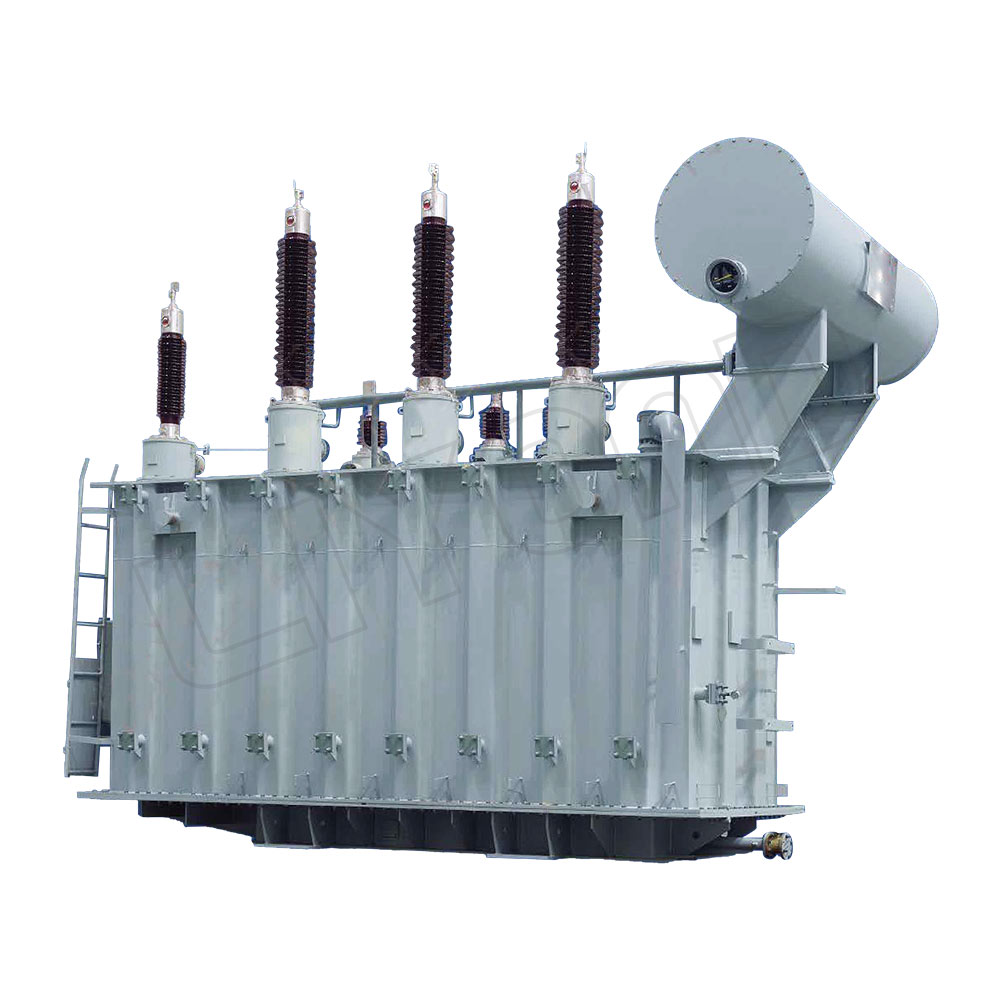

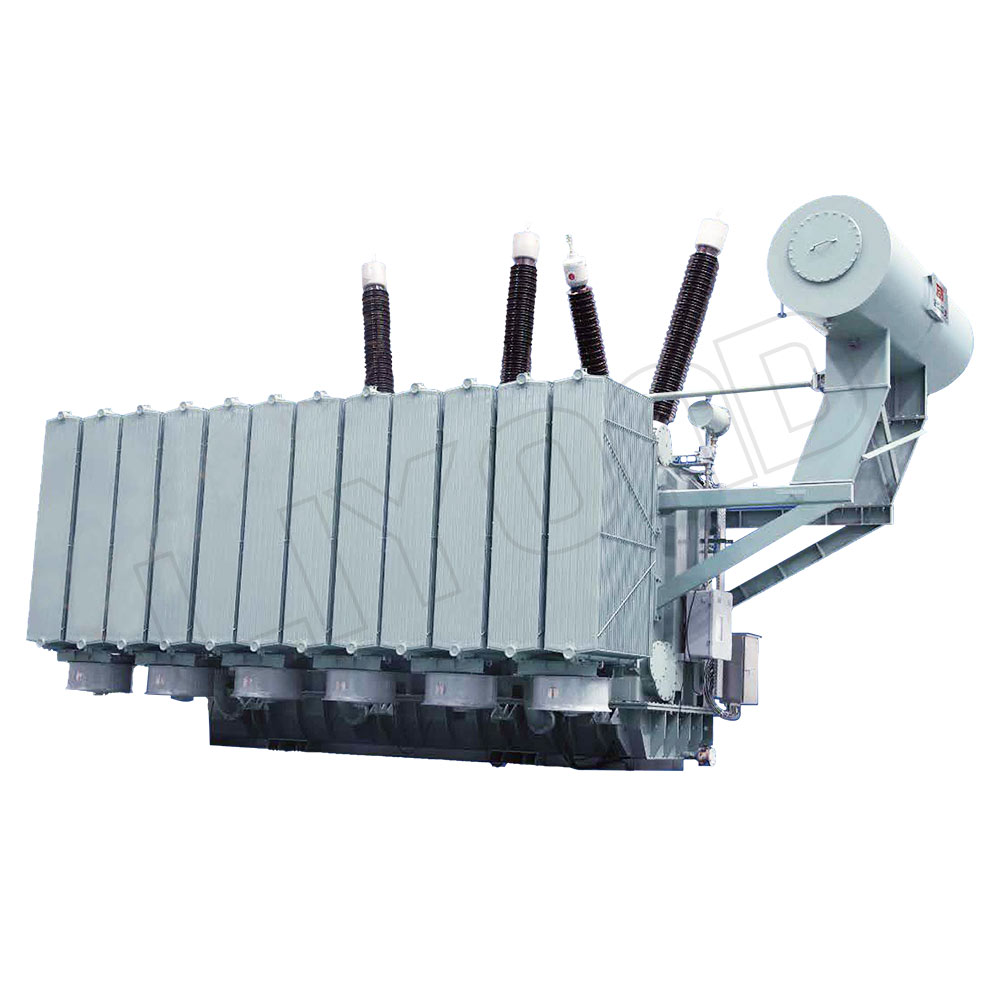

Explore our popular high-voltage and medium-voltage solutions tailored for global industrial standards. Beyond standard models, we provide comprehensive technical support and customized OEM/ODM services to meet your specific project requirements.
III. Conclusion
In summary, dry-type and oil-filled transformers are both vital pillars of power infrastructure, each defined by distinct insulation, safety, and cost profiles. Selection should prioritize fire safety and indoor compliance (Dry-Type) versus massive capacity and extreme environmental resilience (Oil-Filled) to ensure alignment with site-specific constraints and lifecycle maintenance resources.
The quality of a transformer is a direct determinant of grid reliability and long-term safety. Liyond is a professional power transformer manufacturer, dedicated to providing high-performance dry-type and oil-immersed transformer solutions tailored to global standards. If you have questions regarding project planning or equipment selection, please feel free to contact us for professional technical support and customized solutions.
Get A Free Quote


Power your projects with long-lasting switchgear and switchgear components from Liyond.
